Tucking Mill View Midford Bath BA2 7DB
 
Close Menu
 
Home » Social » The Two Tunnels Walk

Recently voted one of the Top 20 Cycle Routes in Britain, The Two Tunnels Walk in Bath is a designated cycle route offers wonderful views into the idyllic countryside surrounding the UNESCO World Heritage City. The route also offers views over the glowing Georgian sandstone crescents symbolic of Bath along its four-mile stretch of disused railway line.
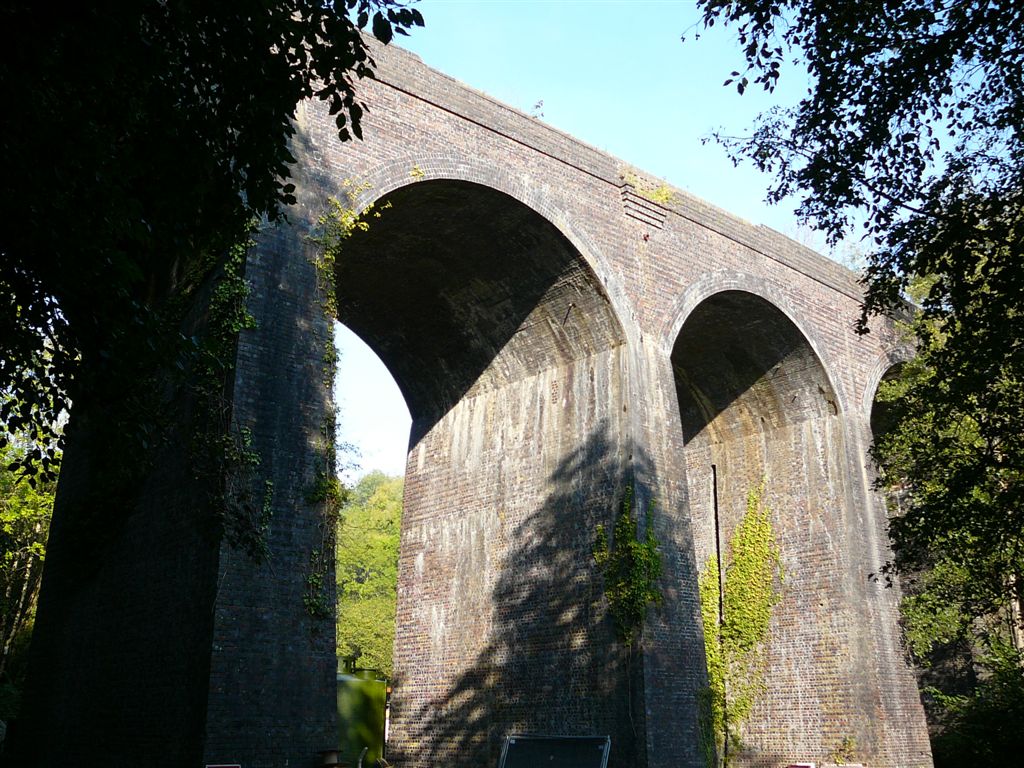
Self catering accommodation nearby sights like the Tucking Mill Viaduct near the reservoir

The original working railway closed in 1996, with new life being pumped into its renovation from 2010, before re-opening as The Two Tunnels route in the spring of 2013. Emerging from the other side of the Devonshire tunnel you are immersed deep into a wooded valley.

Midford Castle in the Midford Valley

Leaving behind Lyncombe Vale, you will then go on to pass deep underground more than a mile through the Combe Down Tunnel, known to be the longest of its kind in Britain. The route concludes as you travel over the lovingly restored Tucking Mill viaduct, where a warm welcome awaits you at Tucking Mill’s tranquil self-catering cottages.

Tucking Mill Reservoir

This scenic route links into the National Cycle Network and allows for onward access to neighbouring regions such as Bournemouth, Bristol and Radstock. Whether you choose to explore this scenic trail on-foot or by bike, this favoured path does not disappoint for its easy access and splendid views.

This website uses cookies
This site uses cookies to enhance your browsing experience. We use necessary cookies to make sure that our website works. We’d also like to set analytics cookies that help us make improvements by measuring how you use the site. By clicking “Allow All”, you agree to the storing of cookies on your device to enhance site navigation, analyse site usage, and assist in our marketing efforts.
These cookies are required for basic functionalities such as accessing secure areas of the website, remembering previous actions and facilitating the proper display of the website. Necessary cookies are often exempt from requiring user consent as they do not collect personal data and are crucial for the website to perform its core functions.
A “preferences” cookie is used to remember user preferences and settings on a website. These cookies enhance the user experience by allowing the website to remember choices such as language preferences, font size, layout customization, and other similar settings. Preference cookies are not strictly necessary for the basic functioning of the website but contribute to a more personalised and convenient browsing experience for users.
A “statistics” cookie typically refers to cookies that are used to collect anonymous data about how visitors interact with a website. These cookies help website owners understand how users navigate their site, which pages are most frequently visited, how long users spend on each page, and similar metrics. The data collected by statistics cookies is aggregated and anonymized, meaning it does not contain personally identifiable information (PII).
Marketing cookies are used to track user behaviour across websites, allowing advertisers to deliver targeted advertisements based on the user’s interests and preferences. These cookies collect data such as browsing history and interactions with ads to create user profiles. While essential for effective online advertising, obtaining user consent is crucial to comply with privacy regulations.